
Smarter Pet Care in Just 3 Steps
- PETE

- Feb 18
- 3 min read
Becoming a responsible pet owner requires careful preparation. It starts with professional veterinary advice to select an animal that complements one’s specific lifestyle and household. During the pet selection process, one needs to ensure a successful match for both the animal and the household.
1. Selection
Pre-Selection Veterinary Consultation: One of the most critical steps before choosing a pet is talking to a trusted veterinarian. A vet can provide expert advice on which animals may be most suitable for your specific lifestyle and environment.
Assessing Family Dynamics: When selecting a pet, it is essential to choose the right size and the right breed based on the specific age and health conditions of all other family members. This ensures the pet's temperament and physical needs align with the household's capabilities.
Evaluating Time Commitment: Potential pet parents must honestly assess if they can devote the necessary time to the animal. This includes the ability to maintain a regular feeding schedule and follow a strict routine for vaccinations and deworming.

Beyond the initial choice, the other guidelines for pet parents can be viewed through a blend of two distinct but complementary lenses: Internal Care & Health Management and External Social & Legal Responsibility.
2. Internal Care and Health Management
From a caregiver’s perspective, successful pet parenting begins with thorough preparation and a disciplined routine and proactive healthcare. This involves:
Time and Routine: Devoting adequate time is non-negotiable, particularly in establishing a regular feeding schedule and a consistent routine for the animal.
Vaccination is the primary method for building immunity against various infections. Pet parents must remain diligent about vaccination validity, expiry dates, and deworming schedules, while maintaining a detailed record of all medical interventions.
Understanding Vulnerabilities: Different animals are vulnerable to various types of infections. A responsible owner must be prepared to prioritise immunity building through a consistent vaccination schedule from the start.

3. External Social and Legal Responsibility
Beyond the home setting, a pet parent must function as a responsible citizen within a community, balancing their rights with the rights of others:
Legal Compliance: Pet registration is mandatory, and parents should be aware of their rights under AWBI (Animal Welfare Board of India) guidelines. While cooperative housing societies cannot legally prohibit residents from owning pets, owners must adhere to established rules and regulations.
The Pune Municipal Corporation issues licences for cats and dogs through this link: https://services.pmc.gov.in/login?redirectUrl=/uploadDocuments?pamId=125
Register your pets by creating a citizen account with the PMC and registering your pet under the dog keeping or cat keeping license.
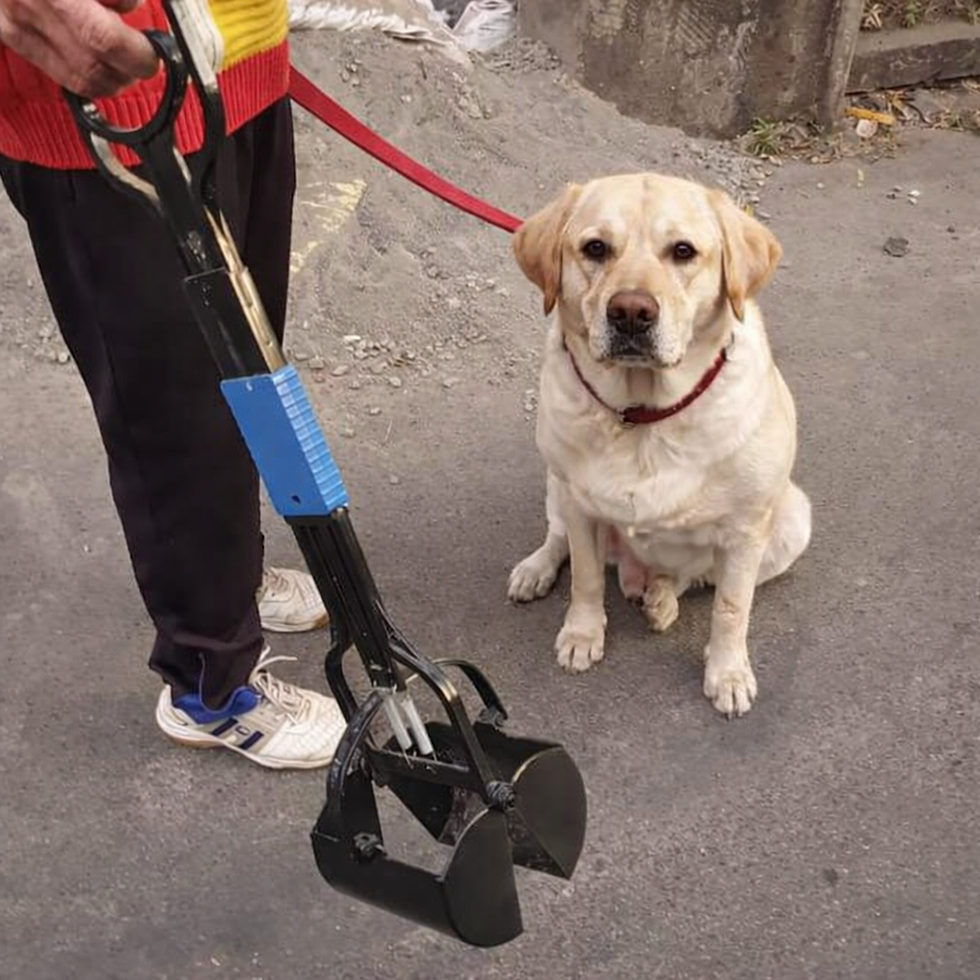
Community Conduct: Responsible ownership includes maintaining cleanliness, hygiene, and discipline in public spaces. Parents are encouraged to be sensitive to the emotions of others and maintain an appropriate physical distance between their pets and other citizens.
Conflict Resolution: When issues arise within a neighborhood, pet parents should prioritize dialogue and sensitivity to ensure a harmonious living environment. Any harm done to a pet is legally considered a crime, highlighting the pet’s status as a protected member of the community.
Considering the Living Environment: While the sources state that cooperative housing societies cannot legally stop a resident from having a pet, it is still vital to understand the rules and regulations of your specific society during the selection process.
Ultimately, successful ownership relies on a blend of consistent daily care and an understanding of the legal protections afforded to domestic animals. Fostering a harmonious environment involves maintaining social discipline and respecting the boundaries of others within the community.


Comments