
The Rise of Cats in Indian Homes

You come home after a long day. There is no excited barking at the door, no wagging tail waiting for you, no desperate demand to go outside. Instead, a pair of eyes watches you from the sofa.
Your cat stretches, blinks slowly and walks towards you with a high, fluffy tail as if to say, “You're finally back.” For many Indians, this quiet kind of companionship is becoming increasingly familiar.
For decades, dogs dominated the Indian pet-owning imagination. Today, cats are finding their way into more homes, particularly in cities. Adoption communities, veterinary clinics, social media and pet-care businesses all reflect the growing visibility of cats in Indian households. And this isn't simply about people suddenly becoming “cat people.” It reflects the way urban life itself is changing.
A Companion for a Changing India
Indian cities are getting busier, homes are getting smaller, and more people are living alone or in nuclear families. Long work hours and apartment living can make some forms of companionship harder to manage. Cats, comfortable indoors and without the need for daily outdoor walks, can fit naturally into this changing way of life. But perhaps their appeal is not just practical.

With hybrid and work-from-home lifestyles, a cat sleeping beside the laptop, appearing during a video meeting or quietly sitting nearby can become part of everyday life. For someone living alone, these small moments of companionship can mean a lot. Sometimes, companionship is simply knowing that another living being is waiting for you at home.
The Indian Cat Is Changing
The way Indians perceive cats is changing as well. Social media has made their playful and affectionate personalities more visible, while India's Indie cats are finding their place in the spotlight.
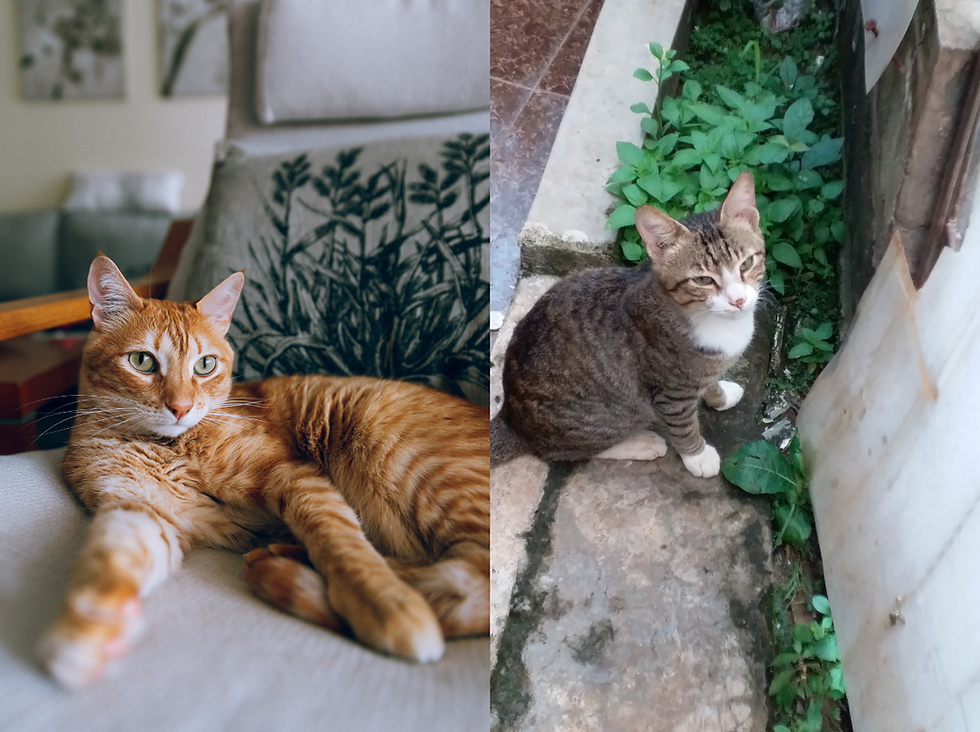
A kitten found near an apartment building, a cat rescued from a roadside or a community cat that slowly learns to trust the people who feed it can become much more than a familiar face outside the home. For many families, adoption begins almost accidentally. A cat starts visiting the balcony. Someone leaves out food. The animal keeps returning. Slowly, a familiar face becomes family.
Cat parenting in India is therefore becoming about more than choosing a breed. It is also about adoption, community animals and learning to see cats as individuals.
Low Maintenance Doesn't Mean No Maintenance
This is where the picture needs some balance.
Cats may not need walks like dogs, but they are certainly not maintenance-free. They need appropriate nutrition, clean water, veterinary care, vaccinations, parasite control and sterilisation. They also need opportunities to play, explore, scratch, climb and hide. And yes, the beautiful Instagram cat can scratch your sofa. It can knock something off a table at 2 a.m. It can suddenly sprint across the house for reasons known only to itself. These aren't necessarily signs of a “bad” cat. Many are normal feline behaviours.

Understanding them — and providing appropriate outlets — is an important part of responsible cat parenting.
Understanding the Cat, Not Just Choosing One
One of the biggest mistakes a first-time cat parent can make is expecting a cat to behave like a smaller, quieter dog. Cats have their own language of affection — a slow blink, a gentle head bump, following you from one room to another, choosing to sleep beside you or simply sitting nearby while you work. These quiet gestures can all be expressions of trust. A cat may not greet you with the enthusiasm of a dog every time you walk through the door. Its affection can be subtler, and learning to recognise those small signs is part of understanding the relationship.
You begin to notice things you might otherwise miss. Understanding cats also means making informed choices about their health and the household. Pregnancy, for example, does not automatically mean a cat must leave the home. Pregnant women should discuss toxoplasmosis prevention with their healthcare provider and follow appropriate hygiene precautions, particularly around litter-box handling and food safety. Families with infants, elderly members or specific health concerns should similarly seek guidance from a healthcare professional or veterinarian. Good information can prevent unnecessary fear while also encouraging responsible care.
Making an Indian Home Cat-Safe
Cats climb, jump and investigate places humans rarely think about. That makes cat-proofing especially important. Balconies and windows should be secured. Electrical wires and small objects need to be managed. Toxic plants and harmful household substances should be kept out of reach. A good indoor environment should also provide safe places to rest, hide, scratch and play. Litter management is another essential part of living with a cat. Cleanliness, appropriate placement and a consistent routine can make a significant difference to both the cat and the household.
It's a Long-Term Commitment
A cat can live well into its teens, making cat parenting a commitment of 12 to 16 years or more. Vaccinations, deworming, sterilisation, preventive healthcare and unexpected veterinary expenses should therefore be considered before bringing one home. And every cat is different. One may be extremely social; another may need considerable time before trusting people. One may happily live with another animal; another may find sharing its territory stressful. There is no single “cat personality.” There is simply the individual animal in front of you.

So, is India becoming a “cat country”?
India doesn't need to become a cat country or a dog country. What is changing is our understanding that companionship can look different for every household. Sometimes, a cat changes your life quietly — through the soft sound of paws across the floor, a familiar face appearing beside you during a late-night work session, or a small animal choosing to sleep beside you simply because it feels safe there. And perhaps that is why cats are finding their place in more Indian homes.
But behind the trend is something more important than popularity: a growing willingness to understand cats for who they are, rather than expecting them to love us in a particular way; because they teach us to recognise love differently.


Comments