
India’s Pet Care Boom: The Rise in Opportunities

India’s pet-care industry is changing rapidly. For many Indian families, dogs and cats are no longer simply animals kept at home. They are companions whose physical, behavioural and emotional needs are increasingly being recognised. As pet parents become more aware of these needs, services such as dog walking, grooming, boarding, daycare, pet sitting, training, enrichment, and behaviour modification are becoming increasingly familiar. This growth is creating new businesses, employment opportunities and career paths across the pet-care sector.
But as the industry expands, an important question deserves attention: is India developing enough skilled professionals to support its growing pet-care ecosystem? The newer pet care educational institutes like PETE, believe the future of pet care depends not only on how quickly the industry grows, but also on how well prepared its workforce is.
Loving Animals Is Not Enough
Many people enter pet care because they genuinely love animals. That passion is valuable, but professional care requires more than affection or personal experience. Someone may have lived with dogs for years without knowing how to recognise subtle signs of stress in an unfamiliar animal. Someone may be comfortable grooming their own pet but may not know how to safely handle an anxious or fearful dog. Someone may enjoy walking their own dog but may not understand the complexities of managing several dogs with different ages, temperaments and behavioural histories.
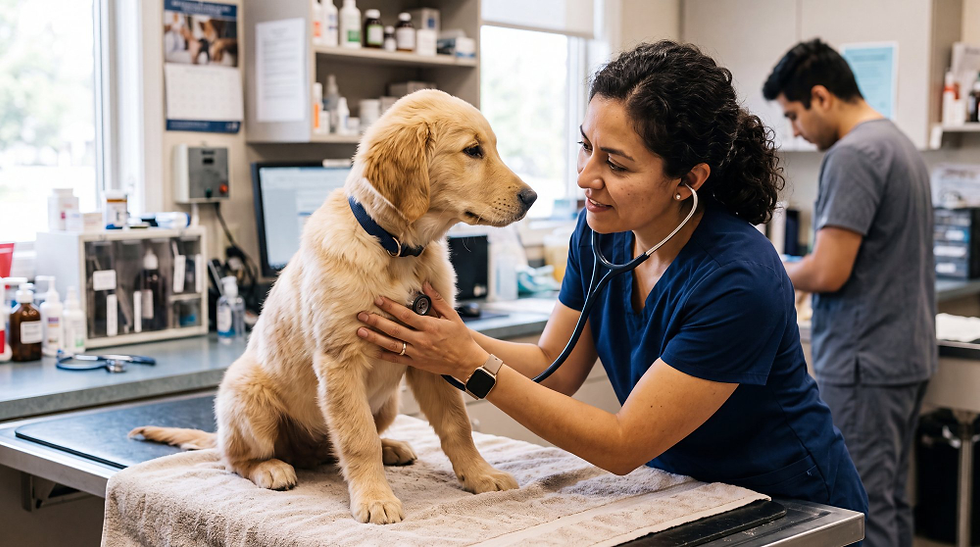
Professional pet care requires a shift from personal experience to transferable knowledge.
This becomes particularly important because pet-care professionals work directly with living animals. A dog being walked, boarded or groomed experiences the quality of that service directly. The person providing the service therefore needs to understand more than the mechanics of the task; they need to understand the animal.
A professional dog walker may encounter animals with very different temperaments and behavioural histories. A boarding professional may be responsible for several animals at once, each with its own routine and tolerance for unfamiliar people or dogs. A groomer may work with animals that are anxious about water, equipment, touch or restraint. A pet sitter may be responsible for noticing changes in appetite, behaviour or routine and communicating them appropriately to the owner.
These are not simply customer-service responsibilities. They are animal-care responsibilities.
That is why the growth of the sector creates a strong need for role-specific training. Different occupations require different competencies, but there are common foundations: understanding animal behaviour, recognising stress, using safe handling techniques, maintaining appropriate hygiene, identifying risks, knowing the limits of one's competence and responding appropriately when something goes wrong.
Building Skills for India’s Pet Care Reality
Professional pet care also needs to reflect the environments in which Indian pets and pet parents actually live. The needs of a dog living in a large independent house may differ considerably from those of a dog living in a compact urban apartment. Weather, housing design, access to outdoor spaces, traffic, public spaces and the availability of professional services can all influence how animals are cared for.
Professionals working in India therefore need to understand not only general principles of animal care, but also the realities of Indian households and urban environments. This makes structured, role-specific education increasingly important. A groomer, dog walker, boarding professional and pet sitter do not perform the same job, and their training should reflect those differences. At the same time, each role can have clear expectations around animal behaviour, welfare, safety and professional conduct.
The growth of the sector is also creating new career and entrepreneurship opportunities. People can build careers in grooming, dog walking, pet sitting, boarding, and other specialised services. For young people especially, pet care represents an emerging field that combines service, entrepreneurship and interaction with animals. However, the number of people entering the industry cannot be the only measure of success. If demand grows faster than professional skills, the result can be inconsistent services, unrealistic expectations and avoidable welfare concerns. The answer is not to slow the growth of the industry. It is to prepare people for it.
From Passion to Profession
This is where professional education has an important role to play. Professionalising pet care does not mean replacing compassion with certificates. It means recognising that caring for an animal is a responsibility that requires knowledge, practical skills and judgement. Professional education should go beyond teaching what to do; it should build the understanding and judgement to do it responsibly. It is about helping aspiring professionals understand why they are doing it and giving them a framework to make responsible decisions when every animal and situation is different. Learning also cannot stop with initial training. Understanding of animal behaviour, welfare, enrichment and professional handling continues to develop. Professionals entering the sector need to remain willing to update their knowledge throughout their careers.

PETE’s focus on structured education, and skill development reflects this larger need within India's evolving pet-care ecosystem. The goal is to help build professionals who are better prepared for the responsibilities that come with working with animals. But this opportunity is bigger than any one organisation. India's pet-care boom is creating new services, businesses and career possibilities. The next step is ensuring that the skills ecosystem grows alongside the market. Because the future of India’s pet-care industry isn't just about more people working with animals. It’s about creating professionals who are skilled and industry-ready to work with them.


Comments